Understanding Boucle Fabric Composition for Safe Cleaning
Boucle fabric consists of looped yarns typically made from wool, cotton, or synthetics, giving it a textured appearance ideal for upholstery and home decor. Knowing the fiber type matters when you clean boucle fabric because wool requires gentler handling than synthetics. Always check manufacturer tags first to confirm composition and recommended care. This step prevents damage during cleaning boucle fabric at home and ensures longevity of the material.
Essential Tools and Supplies for Cleaning Boucle Fabric
Gather a soft-bristle brush, upholstery vacuum attachment, white microfiber cloths, mild pH-neutral detergent, distilled water, baking soda, and a spray bottle. These items support effective cleaning boucle fabric without abrasion. Avoid colored cloths that might transfer dye and harsh chemicals like bleach that break down loops. Testing any solution on a hidden area remains crucial before full application.
Weekly Vacuuming Routine to Maintain Boucle Fabric
Vacuum boucle fabric weekly using the upholstery attachment on low suction to remove loose dirt and debris trapped in loops. Move the tool slowly in straight lines rather than circles to avoid twisting fibers. This regular practice reduces the need for deeper cleaning boucle fabric later and keeps the texture crisp. For high-traffic areas like sofas, increase frequency to twice weekly. Empty the vacuum canister immediately after use to prevent redistribution of particles.
Spot Cleaning Techniques for Stains on Boucle Fabric
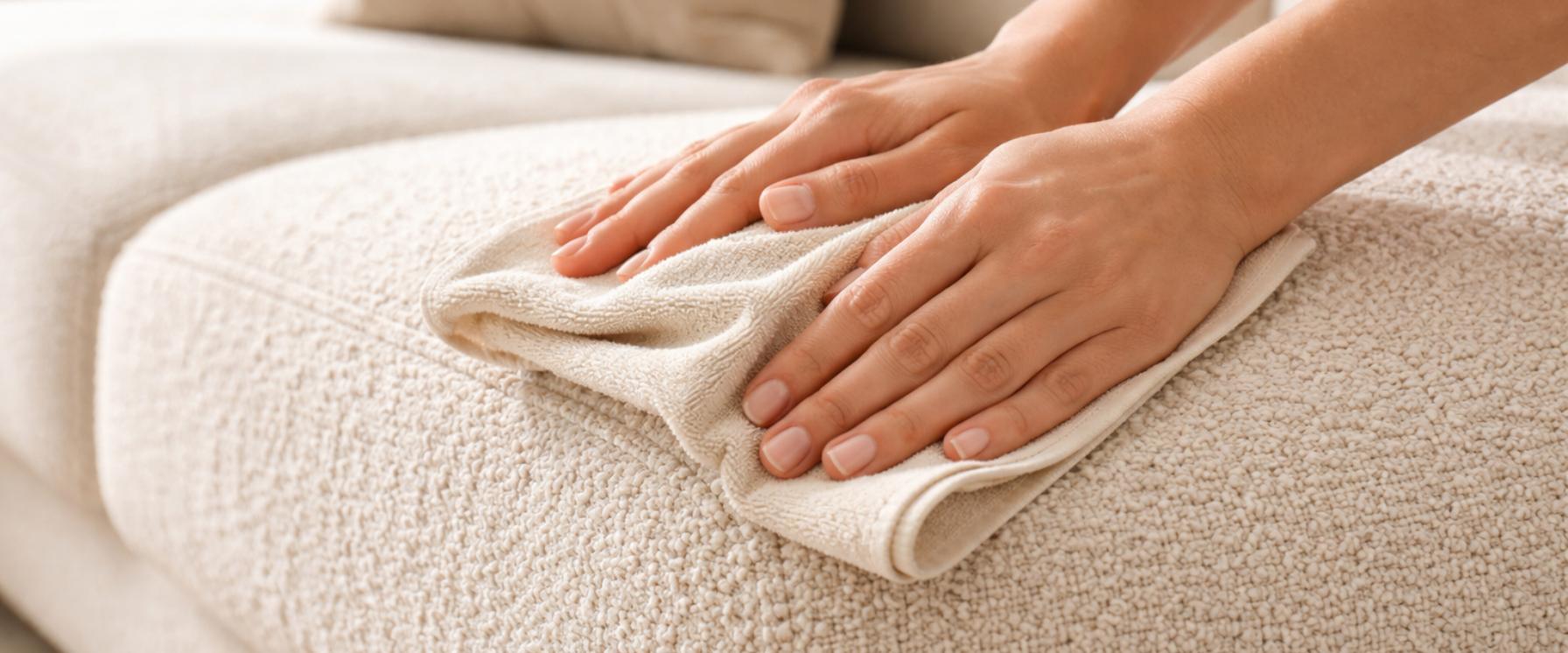
Blot fresh spills immediately with a dry white cloth to absorb liquid before it sets. Mix one teaspoon of mild detergent with one cup of distilled water for a safe cleaning solution when addressing stains on boucle fabric. Dampen a cloth lightly with the mixture and dab gently from the outer edge inward. Rinse by blotting with a clean water-dampened cloth, then absorb excess moisture with a dry towel. Repeat as needed but limit moisture to prevent loop distortion.
Natural Odor Removal Methods for Boucle Fabric
Sprinkle baking soda liberally over the surface and let it sit for fifteen minutes to absorb odors embedded in boucle fabric. Vacuum thoroughly afterward to lift the powder along with trapped smells. This method works well for pet or food odors without introducing moisture. For persistent issues, repeat the process or combine with ventilation by opening windows during cleaning boucle fabric sessions. Never use essential oils directly as they may stain loops.
Drying Procedures After Cleaning Boucle Fabric
Air dry cleaned sections by positioning furniture in a well-ventilated room away from direct sunlight or heat sources. Use a fan on low to circulate air evenly and speed evaporation without disturbing the texture. Avoid placing weight on damp boucle fabric until completely dry, which typically takes two to four hours depending on humidity. Proper drying prevents mildew and maintains the integrity of the looped yarns during home cleaning.
Avoiding Common Mistakes When Cleaning Boucle Fabric
Never saturate boucle fabric with water or use steam cleaners, as excess moisture causes shrinkage and matting of loops. Refrain from rubbing stains vigorously, which pulls yarns and creates bald spots. Skip abrasive brushes or scouring pads that flatten the distinctive texture. Test all products first and limit cleaning sessions to small areas to monitor results. These precautions ensure safe, effective cleaning boucle fabric at home every time.
Frequency Guidelines and Long-Term Care for Boucle Fabric
Schedule professional cleaning every twelve to eighteen months for heavily used pieces while handling routine maintenance yourself. Rotate cushions monthly to distribute wear evenly across boucle fabric surfaces. Address spills right away to minimize permanent marks. Consistent care extends the life of boucle items and reduces overall cleaning needs. Monitor for loose threads and trim carefully with sharp scissors if they appear.
Special Considerations for Wool Versus Synthetic Boucle Fabric
Wool boucle demands extra caution during cleaning because it felts easily when agitated wet. Use cooler water and minimal pressure compared to synthetic versions that tolerate slightly more moisture. Synthetics often respond well to the same mild detergent mix but dry faster. Always verify fiber content before proceeding with any cleaning boucle fabric method to tailor your approach accurately and avoid irreversible damage.